Central split-system air conditioners
Cooling matched to your home’s ductwork and furnace blower, from single-stage equipment to variable-capacity options. We diagnose existing systems and explain compatible replacement choices.
Summer cooling / Great Falls & Cascade County
Central AC repair, seasonal maintenance, ductless cooling, and replacement planning for your home—with airflow and filtration options for smoky summer days.
Our approach / Summer comfort
The thermostat reading is only part of summer comfort. If the basement is cold while upstairs bedrooms remain uncomfortable, those rooms belong in the assessment before we recommend equipment.
Hot afternoons, cottonwood buildup, and smoky days can make summer comfort more complicated than turning down the thermostat. When outdoor air quality is poor, opening the windows may not be the right way to cool down.
For a home in Skyline, describe which rooms overheat, when it happens, and whether bedroom doors are open or closed. Tell us about sun exposure, how you use the room, and the airflow you notice. We need those details to help find the cause.
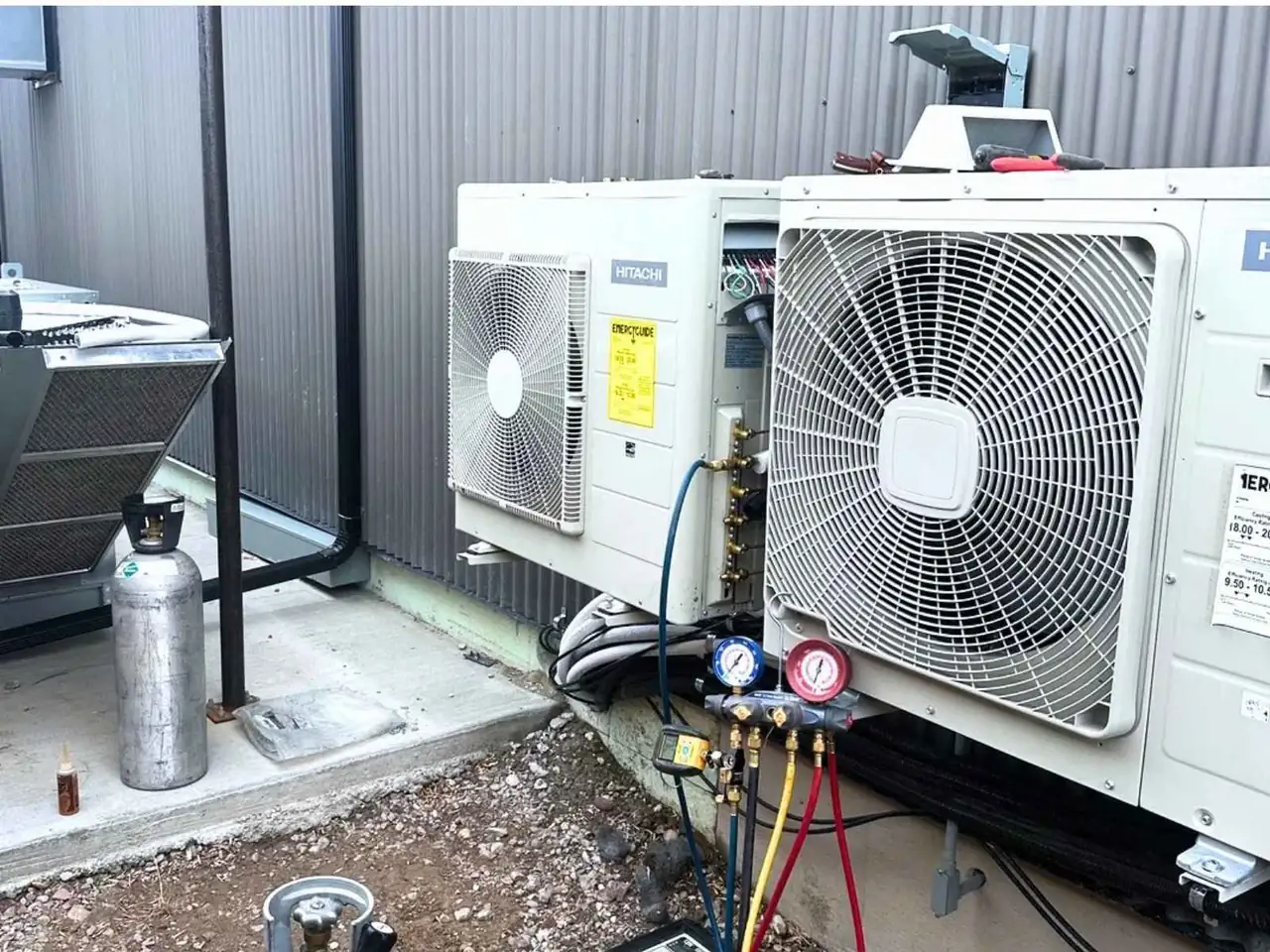
If you see ice, switch cooling OFF and call 406-781-4027. Use fan-only mode only if the blower is operating normally and your equipment instructions allow it. Do not chip the ice or keep restarting the system.
If there is smoke, a burning smell, sparking, or water near electrical equipment, stop troubleshooting and stay clear. For a fire or immediate danger, leave and call 911.
Read our AC repair & troubleshooting guide →We work on major residential cooling brands, including Lennox, Trane, Carrier, Goodman, and Rheem—even if another company installed your system. Ask about service and installation options for your model.
Cooling matched to your home’s ductwork and furnace blower, from single-stage equipment to variable-capacity options. We diagnose existing systems and explain compatible replacement choices.
Room-by-room cooling for homes without ducts, additions, and hot upstairs spaces. Equipment location, sizing, drainage, and electrical requirements are part of the installation plan.
A heat pump provides summer cooling and electric heating. We can discuss how it works with furnace backup, your home’s heat loss, and your utility service.
Considering a change from a swamp cooler? We review central and ductless options, along with suitable filtration or room air cleaners for smoky conditions.
These symptoms help start the conversation. Testing is needed to identify the cause.
Restricted airflow, a refrigerant issue, or another fault may be involved. Switch cooling off and arrange an assessment. Do not chip ice, open refrigerant connections, or keep running a system that freezes repeatedly.
A capacitor, contactor, compressor, fan, or refrigerant problem may cause similar symptoms. Electrical testing and operating measurements help identify the fault. Leave electrical covers closed.
A buildup on the condenser can restrict airflow and reduce heat rejection. Keep loose debris away from the unit and ask about cleaning that follows the equipment manufacturer’s instructions; pressure washers can damage fins.
Uneven temperatures can involve duct leakage, return-air paths, insulation, sun exposure, airflow settings, or equipment sizing. We assess the whole system before recommending balancing or equipment changes.
Seasonal maintenance
Arrange a seasonal check before heavy summer use, and keep an eye on outdoor coil buildup during cottonwood season. Maintenance can reduce breakdown risk and reveal problems early; the work needed depends on your equipment and its condition.
Check for cottonwood, dust, and debris, and assess cleaning needs using the manufacturer’s recommended methods.
Inspect accessible electrical connections and test relevant capacitors, contactors, and motor or compressor readings for the equipment fitted.
Check the filter, accessible airflow paths, and blower operation. Discuss static-pressure measurements or balancing where comfort problems call for them.
Assess operation under suitable conditions and use manufacturer-specified testing when needed. A low charge calls for investigation rather than routine topping off.
Inspect accessible drain components, test thermostat operation, and review findings and recommended work before repairs are authorized.
Cooling & indoor air
Air conditioning can help you stay cool with windows closed. Removing fine smoke particles also requires suitable filtration. A ductless system’s standard washable filter should not be treated as a substitute for a dedicated smoke-filtering air cleaner.
EPA recommends a MERV 13 HVAC filter, or the highest efficiency your system can accommodate, and a properly sized portable air cleaner where needed. We can discuss filter compatibility and airflow so an upgrade does not unnecessarily restrict your system.
If you cannot keep your home cool during a smoke event, seek a cooler location and follow local safety guidance.
Source: EPA: Wildfires and Indoor Air Quality. Guidance reviewed October 19, 2026.
A worn component in otherwise sound equipment may justify a repair. Recurring failures, a major component fault, persistent comfort problems, or expensive repairs can make replacement worth discussing. We help you compare the work needed with suitable equipment options.
A qualifying heat pump or other efficiency upgrade may be eligible for utility incentives. Eligibility depends on your utility account, equipment, project, and current program rules—not simply pairing a heat pump with a furnace. Confirm eligibility before buying.
Before counting a rebate: Rebate amounts, eligibility rules, deadlines, and funding may change, be suspended, or end without notice to Great Falls Heating and Air LLC and without our knowledge. Published offers do not guarantee availability, eligibility, approval, or payment. Before buying equipment or authorizing work, confirm current terms, funding, and any required advance approval directly with the program administrator. Review verified program details →
Program sources: NorthWestern Energy E+ incentives and Sun River Electric Cooperative heat pump rebates. Reviewed October 30, 2026.
Useful answers
Repair costs, warm air, ice, hot upstairs rooms, and smoke-season filtration. Start with the question that fits your home.
HomeAdvisor’s 2026 guide reports a $417 national average for AC repair, with a typical range of $172–$664 across different AC systems. These figures are general budgeting references, not a quote, advertised rate, or price cap from Great Falls Heating and Air. Your repair may cost less or substantially more depending on the fault, parts, refrigerant, equipment access, labor, warranty coverage, and any emergency or after-hours charges. Call to confirm the diagnostic fee and what it includes, then review the proposed repair price before approving work.
Thermostat settings, a restricted filter or airflow path, outdoor-unit trouble, icing, or a refrigerant problem can cause similar symptoms. Check the homeowner controls and accessible filter only as your equipment instructions allow. Tell us whether every room is warm or just one area, when the problem started, and whether you see ice or an alert. Those details help guide testing; they don’t identify a failed part by themselves. Keep electrical covers closed. For smoke, sparking, or a burning smell, stop troubleshooting and stay clear; leave and call 911 for fire or immediate danger.
No. Switch cooling off and call for guidance. Use fan-only mode only if the blower is operating normally and your equipment instructions allow it. Don’t chip ice, apply heat, remove panels, or keep restarting cooling. Thawing doesn’t fix the underlying cause, and there isn’t one thawing time that fits every system. Airflow restrictions, refrigerant trouble, or another fault may need testing. Stay clear of water near electrical equipment and report it when you call.
The system may be cooling while air isn’t reaching the rooms that need it. Sun exposure, insulation, duct leaks, return-air paths, thermostat location, and airflow can all matter. Tell us which rooms overheat, when it happens, and whether doors are usually closed. Keep grilles clear, but don’t close a group of downstairs vents or change blower settings to force air upstairs. Have the airflow and room conditions assessed before assuming a bigger AC or a new part will fix the problem.
Cooling can help you keep windows closed during a smoke event, but fine-smoke removal needs suitable filtration. For central systems, EPA recommends MERV 13 or the highest efficiency the system can accommodate. Check compatibility, fit, and filter condition; a higher rating alone doesn’t mean a filter suits your blower. Inspect more often during heavy smoke. A properly sized portable air cleaner can help. Standard ductless washable screens aren’t a substitute for fine-particle filtration. Follow current local guidance, and seek a cooler location if you can’t keep the home comfortably cool.
Sources: EPA: cooling, compatible filters, and indoor air during wildfire smoke
Only do the cleaning your exact model’s owner instructions permit. Turn the system off and follow its power-isolation instructions first; turning down the thermostat doesn’t isolate electrical power. Keep loose debris away and use only the coil’s approved gentle cleaning method. Don’t remove the fan or panels, spray electrical components, use a pressure washer, or force a brush into the fins. Matted fluff, difficult access, or an unfamiliar unit are reasons to arrange professional cleaning. A clean-looking cabinet alone doesn’t tell you the coil is clear.
Sources: Carrier: coil-specific cleaning methods and precautions
Start with the diagnosis, equipment condition, repair history, parts availability, warranty, and written repair price. A repair may make sense for an otherwise sound system. Repeated failures or a major repair can make replacement worth comparing. Age alone doesn’t settle it. If the main problem is one hot room, assess airflow and the house too. When replacement makes sense, compare the full installation work for standard AC and a heat pump, including existing-furnace compatibility and expected heating use. Confirm any rebate separately before counting it toward the price.
Sources: ENERGY STAR: replacement and whole-system considerations; DOE: heat pumps for heating and cooling
No. EPA says existing systems can continue to be used and repaired as refrigerants are phased down. That doesn’t guarantee every part or refrigerant will always be available at the same price. Have the actual refrigerant and compatible repair options identified before deciding. A different refrigerant isn’t automatically suitable for your equipment, and recharging isn’t routine upkeep for a leaking system. Ask what caused any refrigerant loss, what repair is proposed, and how operation will be checked afterward.
Sources: EPA: continued use and repair of existing air conditioners
Planning an upgrade? Review our Montana HVAC rebate guide →
Your next step
Need a repair, seasonal maintenance, or a replacement estimate? Call to discuss availability or send a service inquiry. Online forms are not continuously monitored.